Discovering Tarim City: The Spiritual and Architectural Jewel of Yemen
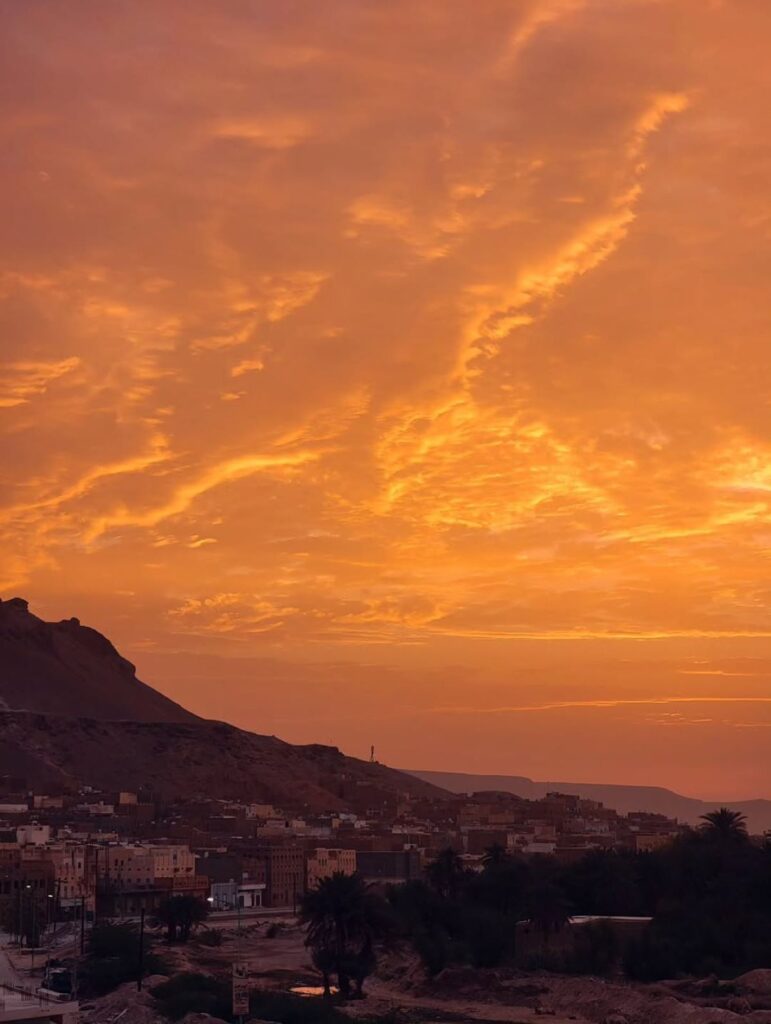
Deep within the winding valleys of the Hadramout region lies Tarim City, a place where time seems to have paused to preserve the soul of Islamic scholarship and ancient craftsmanship. Known globally as a center of spiritual learning and architectural wonder, this city is far more than just a destination; it is a living museum. Whether you are drawn by the towering minarets or the scent of ancient manuscripts, Tarim offers an experience that resonates with history and devotion.
The Architectural Marvels of the City of Mud
One cannot speak of Tarim City without marveling at its unique construction. For centuries, the local people have mastered the art of mud-brick architecture. Unlike the glass and steel of modern metropolises, the buildings here are crafted from the very earth they stand upon, regulated naturally to withstand the desert heat.
Palaces of the Sayyids
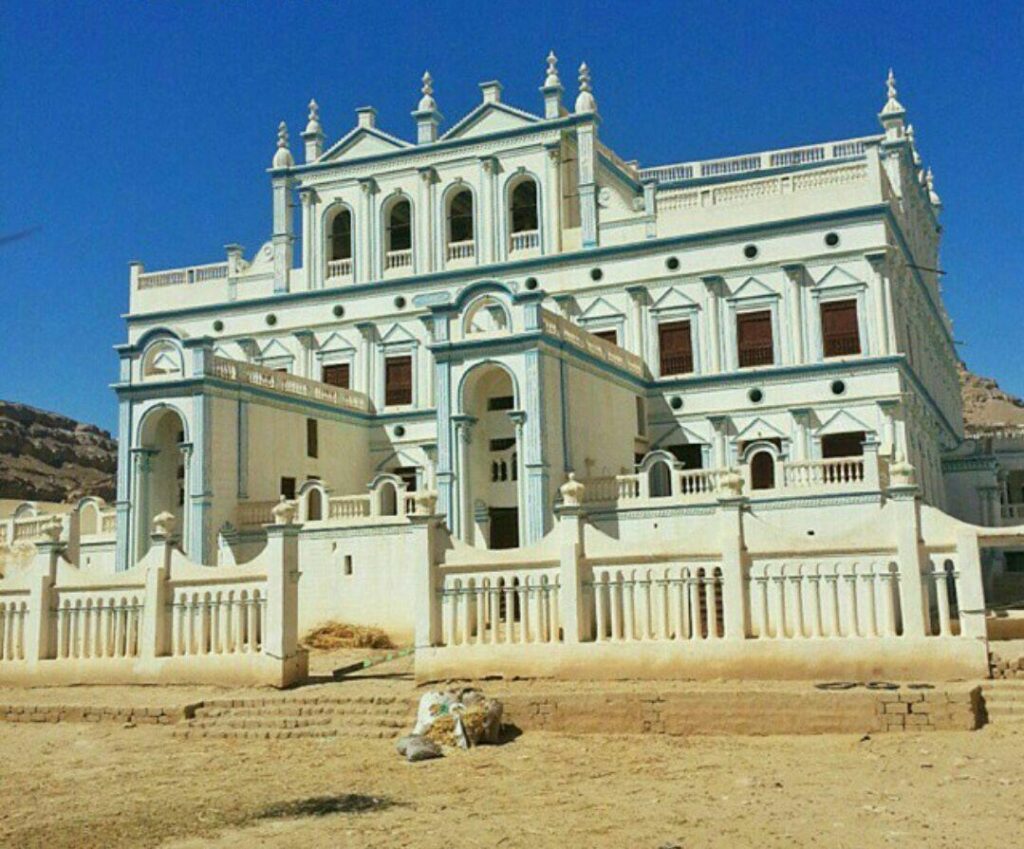
Walking through the streets, you will encounter grand palaces that blend traditional Yemeni styles with Southeast Asian and Victorian influences—a result of the wealthy Hadrami diaspora returning from Java and Singapore. These structures highlight the Tarim City historical architecture, featuring intricate wood carvings, stained glass, and lime-plastered walls (malas) that shine like marble under the Arabian sun.
The Iconic Al-Muhdhar Mosque
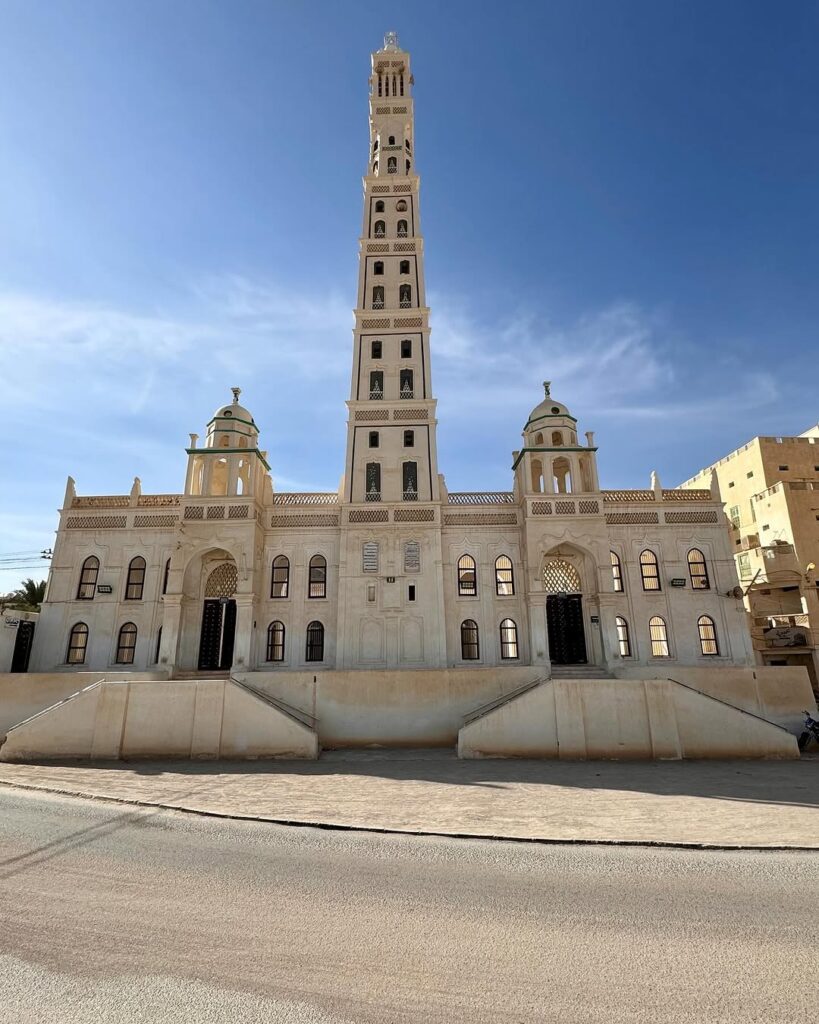
The skyline of the city is dominated by the Al-Muhdhar Mosque. Its most striking feature is the square, white-washed minaret that pierces the sky. While discussing Al-Muhdhar Mosque minaret height, one learns it stands at approximately 46 meters, making it one of the tallest earth-built structures in the world. It serves as a beacon for both worshippers and travelers, symbolizing the city’s upward reach toward both God and artistic excellence.
A Global Hub for Islamic Learning
Tarim is often referred to as the “City of Scholars.” For over a millennium, it has been a primary center for the Ba ‘Alawi Sufi tradition. The Dar al-Mustafa seminary attracts students from every corner of the globe, from Indonesia to the United Kingdom. This spiritual atmosphere creates a sense of tranquility that permeates every alleyway. Education here isn’t just about books; it’s about “Adab” (refined manners) and the preservation of a moderate, peaceful interpretation of faith.
The Gateway to Regional Exploration
As interest grows in tourism in Hadramout Yemen, Tarim serves as the perfect base. It sits in a valley surrounded by dramatic limestone plateaus. Visitors often combine their trip to Tarim with a visit to the nearby “Manhattan of the Desert,” Shibam, or the tomb of the Prophet Hud. The hospitality of the local Hadrami people is legendary; it is common for guests to be invited for tea or a traditional meal of Mandi, shared on floor mats in a gesture of communal brotherhood.
Preserving the Legacy for the Future
Despite the challenges facing the region, the spirit of Tarim remains unbroken. Efforts are ongoing to digitize the thousands of rare manuscripts housed in the Al-Ahqaf Library, some of which date back hundreds of years. The city stands as a testament to human ingenuity—showing how sustainable materials like mud and straw can create a city that lasts for generations while maintaining a deep connection to its cultural roots.
Where exactly is Tarim City located?
Tarim is located in the Hadramout Valley (Wadi Hadramout) in eastern Yemen, approximately 35 kilometers east of Seiyun.
What is the best time of year to visit?
The best time to visit is during the winter months (November to February) when the temperatures are milder and more comfortable for walking tours.
Is the Al-Muhdhar Mosque open to non-Muslims?
Generally, the interior of the mosque is reserved for prayer, but the stunning exterior and the famous minaret can be admired and photographed by all visitors from the courtyard and street.