7 Amazing Facts About Shibam Hadhramaut
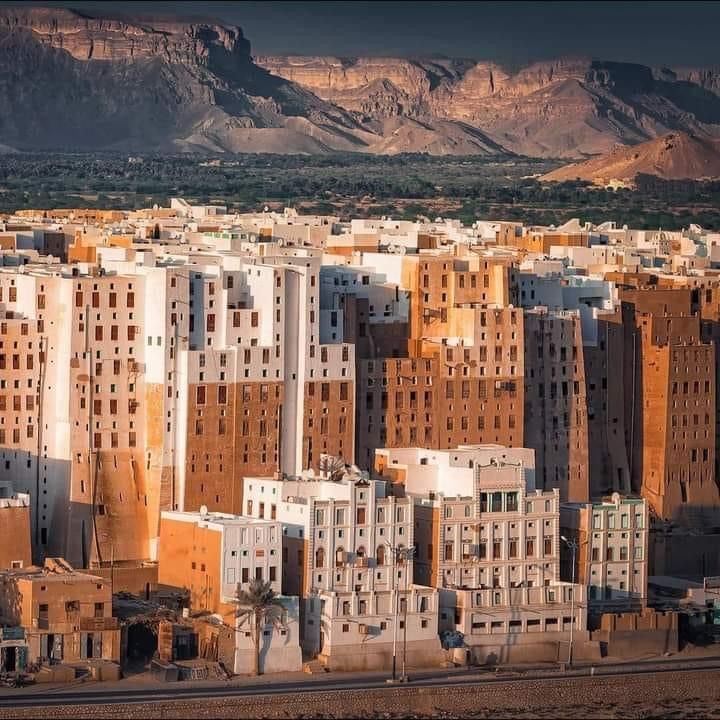
Shibam Hadhramaut is one of the most extraordinary historic cities in the Arabian Peninsula. Located in Yemen’s Hadhramaut Valley, this ancient settlement is famous for its remarkable collection of tall mud-brick buildings, earning it the nickname “the Manhattan of the Desert.” For centuries, its distinctive architecture has demonstrated how people adapted to life in a dry and challenging environment while creating a highly organized urban community.
With its dramatic skyline, traditional houses, narrow streets, and centuries-old construction techniques, Shibam offers a fascinating glimpse into Yemen’s architectural and cultural heritage. The city is also recognized internationally for its outstanding historical importance and is part of a UNESCO World Heritage property.
1. Shibam Is Famous for Its Mud-Brick Skyscrapers
Perhaps the most recognizable feature of Shibam Hadhramaut is its unusual skyline. Unlike many ancient settlements, Shibam developed vertically, with multi-story buildings constructed primarily from mud brick.
Some of the traditional houses rise several stories above the ground, creating an impressive cluster of towers surrounded by the desert landscape. The buildings were designed to make efficient use of limited urban space, allowing a relatively compact population to live within a protected settlement.
The use of mud brick was particularly practical in the Hadhramaut environment. Local materials were readily available, while thick earthen walls helped provide insulation against the extreme temperatures of the region.
2. The Ancient City Has a Long History
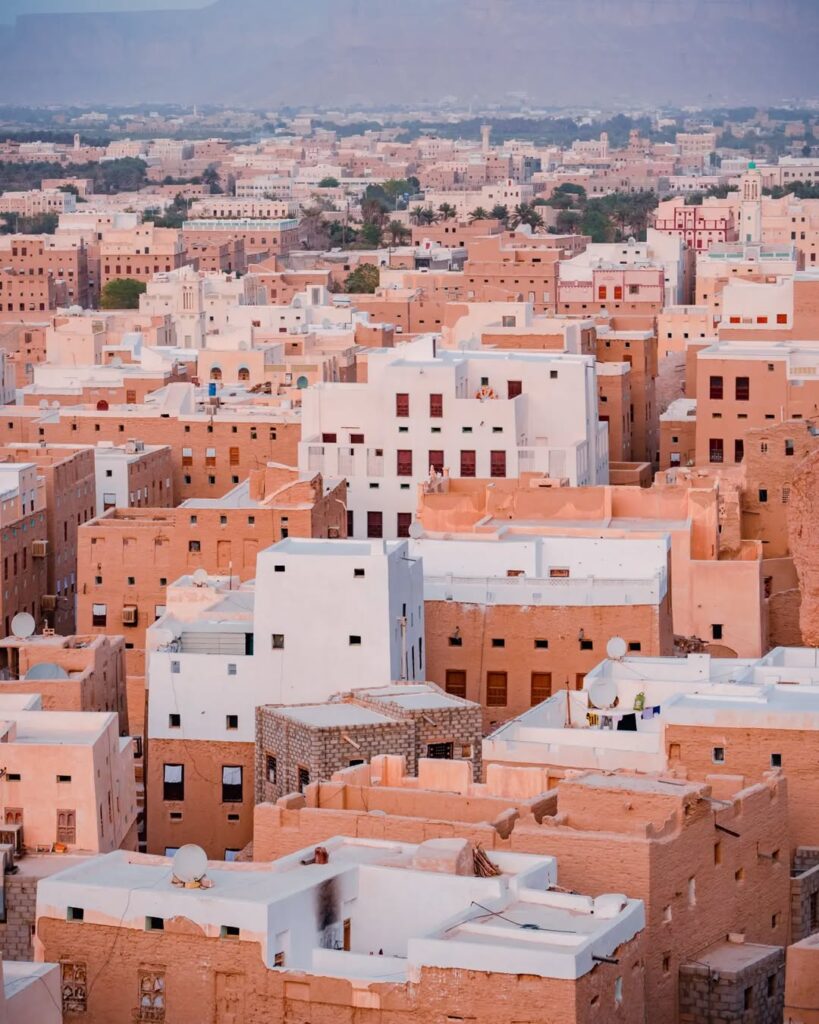
The history of Shibam stretches back many centuries. The settlement became particularly important because of its strategic location in the Hadhramaut Valley and its connections with historic trade routes.
Merchants traveling through southern Arabia exchanged valuable goods and contributed to the prosperity of communities in the valley. Shibam benefited from this commercial activity, developing into an important urban center.
Although the appearance of the city has changed over time, its traditional urban character has remained remarkably recognizable. This combination of history and architectural continuity is one reason the Ancient city of Shibam Hadhramaut attracts historians, architects, photographers, and travelers interested in cultural heritage.
3. Why Is Shibam Called the Manhattan of the Desert?
The nickname “Manhattan of the Desert” comes from Shibam’s striking concentration of tall buildings. Looking across the city, visitors can see a dense collection of earthen towers rising dramatically from the surrounding landscape.
The comparison is not intended to suggest that Shibam resembles a modern skyscraper city in every way. Instead, it highlights the remarkable vertical architecture of a city that was developed centuries before modern construction technologies.
What makes the skyline especially impressive is that these structures were created using traditional materials and techniques. The result is an architectural landscape that is both functional and visually distinctive.
4. Traditional Architecture Designed for the Desert
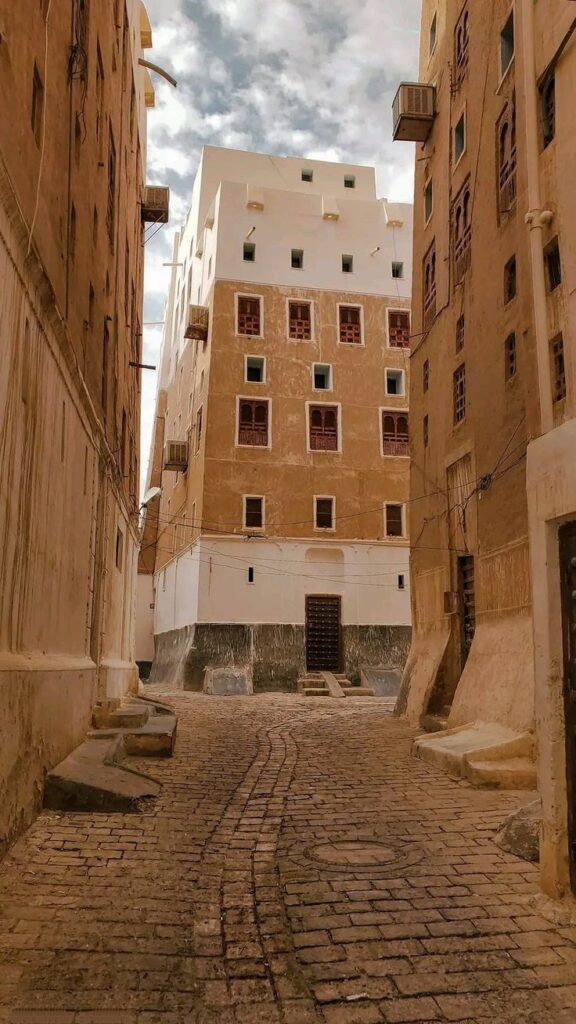
The architecture of Shibam reflects centuries of experience with the local climate. Buildings were constructed with thick walls, relatively small openings, and carefully planned interiors.
Natural Temperature Control
Mud-brick walls can provide useful thermal insulation. During the intense heat of the day, the thick walls help slow the transfer of heat into the interior. This made traditional construction well suited to the hot, dry conditions of the Hadhramaut Valley.
Efficient Use of Space
Building upward allowed residents to make better use of the limited area inside the city’s defensive boundaries. Houses could contain multiple floors, with different areas serving different household functions.
This vertical approach demonstrates that sustainable architecture does not always depend on modern technology. Traditional communities often developed ingenious solutions using the materials and knowledge available to them.
5. Shibam Has a Distinctive Urban Layout
Walking through Shibam is very different from visiting a modern city. Narrow streets pass between tall earthen buildings, creating shaded spaces that can provide relief from the intense sunlight.
The compact layout also reflects the historical needs of the community. Houses, streets, entrances, and public spaces developed as part of an interconnected urban environment rather than as isolated modern buildings.
The visual contrast between the tightly packed city and the vast Hadhramaut landscape makes Shibam particularly memorable. From a distance, the settlement appears almost like a natural extension of the surrounding earth, while closer views reveal detailed architectural features and centuries of craftsmanship.
6. Shibam Is an Important UNESCO Heritage Site
The historical and architectural importance of Shibam has earned international recognition. The city is included within the UNESCO-listed cultural heritage of the Historic Town of Shibam and its surrounding landscape.
Its significance extends beyond individual buildings. The heritage value lies in the relationship between the architecture, urban layout, agricultural landscape, and traditional way of life that developed in the Hadhramaut Valley.
Preserving Shibam is therefore about more than maintaining an attractive skyline. Conservation efforts are important for protecting traditional construction knowledge and the cultural identity associated with the city.
7. Why Shibam Hadhramaut Is Worth Learning About
For people interested in history, architecture, geography, or cultural heritage, Shibam Hadhramaut provides an exceptional example of human adaptation to the environment.
The city shows how communities can create sophisticated urban settlements using locally available materials. Its mud-brick towers are not simply beautiful structures; they represent accumulated knowledge about climate, construction, security, trade, and community organization.
For anyone researching a Shibam Yemen travel guide, the city also provides an opportunity to explore a part of Yemen that is rarely represented by conventional images of the country. Its architecture offers a powerful reminder of the depth and diversity of Yemen’s history.
How Were Shibam’s Buildings Constructed?
Traditional Shibami buildings were constructed largely from mud bricks made using earth and other locally available materials. These bricks were stacked to form thick walls, while wooden elements could be incorporated into floors, roofs, and other structural components.
Because earthen buildings require regular maintenance, traditional communities developed practices for repairing and protecting the structures. Exterior surfaces may need periodic applications of mud-based plaster to protect walls from weathering.
This ongoing maintenance is an essential part of preserving the city’s historic architecture. Without regular conservation, erosion and environmental factors can gradually damage earthen buildings.
When Is the Best Time to Visit Shibam?
The ideal time for visiting the Hadhramaut region generally depends on weather conditions, local travel circumstances, and current safety considerations. The climate can be extremely hot, particularly during the summer months.
Visitors interested in photography may find early morning or late afternoon especially rewarding because softer sunlight emphasizes the texture and height of the mud-brick buildings.
Because conditions in Yemen can change, anyone considering a visit should check current travel advisories, local conditions, transportation options, and access arrangements before making travel plans.
Preserving the Future of Shibam
The survival of Shibam Hadhramaut depends on continued conservation and responsible management. Historic mud-brick architecture is vulnerable to rain, erosion, neglect, and changes in traditional building practices.
Preservation requires a balance between protecting historic structures and allowing local communities to maintain a living city. Conservation projects can help strengthen vulnerable buildings while respecting traditional architectural techniques.
Shibam’s importance extends far beyond Yemen. It represents a valuable lesson in sustainable building, traditional urban planning, and the ability of communities to adapt architecture to their environment.
Shibam Hadhramaut stands as one of the world’s most remarkable examples of traditional urban architecture. Its towering mud-brick houses, compact streets, long history, and dramatic desert setting create a city unlike almost anywhere else.
Known for its extraordinary skyline and often called the “Manhattan of the Desert,” Shibam demonstrates how architecture can respond intelligently to climate, geography, security, and social needs. Its heritage value makes preservation especially important for future generations.
Whether you are interested in ancient history, architecture, photography, or cultural heritage, Shibam offers an unforgettable example of human creativity and resilience. Its distinctive towers continue to rise above the Hadhramaut Valley, preserving a remarkable story written in mud, earth, and centuries of tradition.
What is Shibam Hadhramaut famous for?
Shibam Hadhramaut is famous for its historic multi-story mud-brick buildings and distinctive vertical skyline, which has earned it the nickname Manhattan of the Desert.
Where is Shibam Hadhramaut located?
Shibam is located in Yemen’s Hadhramaut Valley, in the eastern part of the country.
Why are the buildings in Shibam so tall?
The tall buildings allowed residents to make efficient use of limited urban space while adapting to the environmental and social conditions of the historic settlement.
Is Shibam Hadhramaut a UNESCO World Heritage Site?
Yes. Historic Shibam and its surrounding cultural landscape are recognized as a UNESCO World Heritage property.
What are Shibam’s buildings made from?
Traditional buildings are primarily constructed from mud brick and other locally available materials, with regular maintenance needed to protect the structures.