Hayd Al Jazil, Yemen: A Remarkable Cliffside Village in Wadi Daw’an
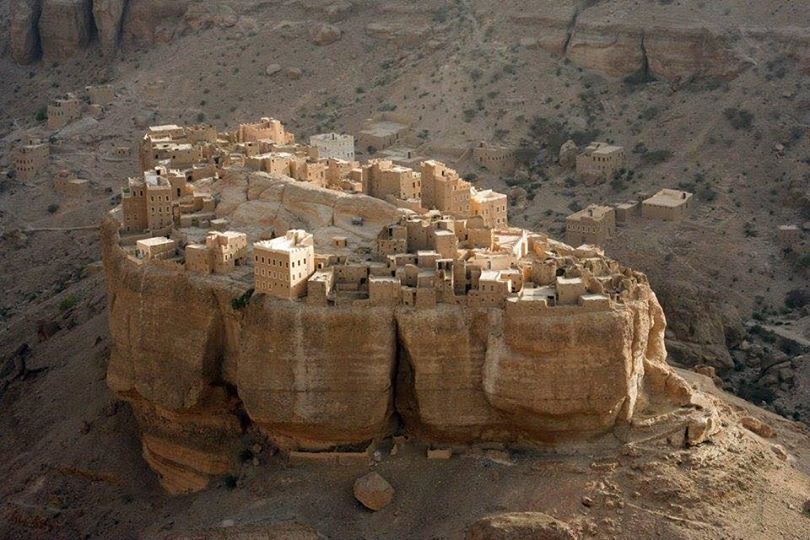
Hayd Al Jazil is one of the most fascinating landmarks in Yemen, rising dramatically above the landscape of Wadi Daw’an in Hadhramaut Governorate. Built on a huge rocky outcrop, the village combines spectacular mountain scenery with traditional Hadhrami architecture, creating a remarkable landscape that attracts the attention of travelers, photographers, and people interested in Yemen’s cultural heritage.
The unusual position of the village is what makes Hayd Al Jazil particularly distinctive. Traditional houses appear to rise from the rocky mountain itself, overlooking the valley below. This combination of architecture, geology, and natural scenery makes the village one of the most visually striking places in Wadi Daw’an.
The Traditional Architecture of Hayd Al Jazil
Traditional architecture is an important part of the identity of Hayd Al Jazil. The buildings reflect architectural traditions found throughout Hadhramaut and Wadi Daw’an, where local materials and traditional construction techniques have been used for generations.
Many traditional buildings in the region use materials such as mud, stone, wood, straw, and palm fibers. These materials were locally available and helped communities construct buildings that were suited to the climate and geography of the valley.
The architecture becomes particularly impressive when viewed together with the rocky landscape. Houses and other structures seem to emerge directly from the mountain, giving Hayd Al Jazil a distinctive appearance.
Hayd Al Jazil and Wadi Daw’an
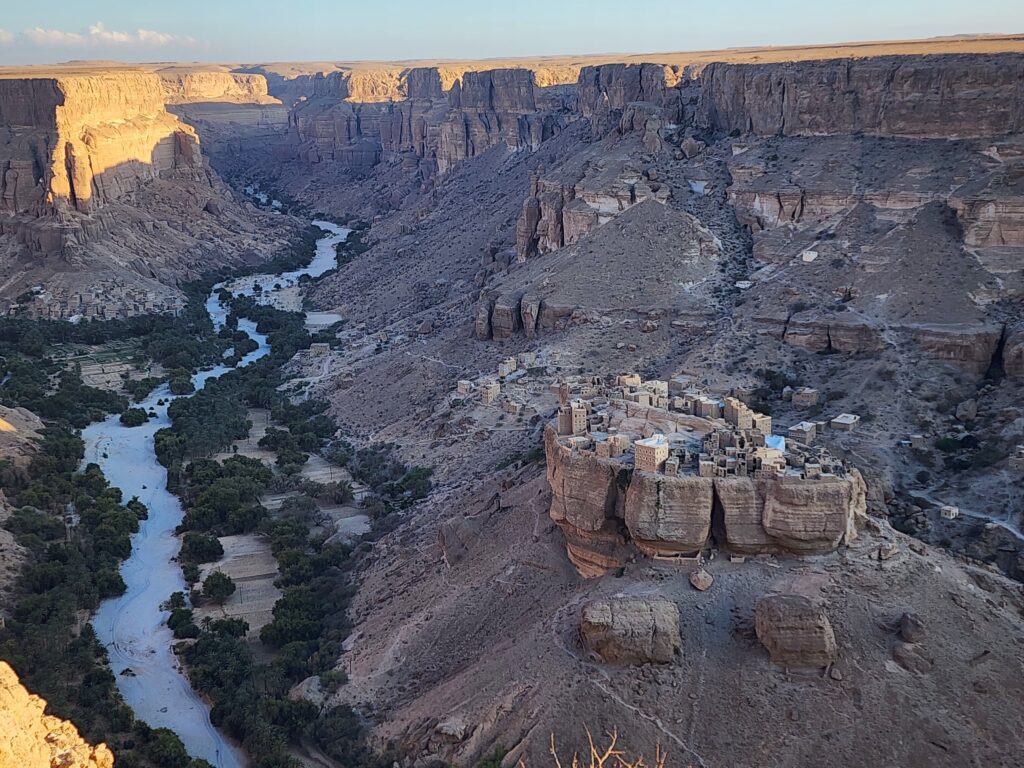
Hayd Al Jazil is closely connected to the wider cultural landscape of Wadi Daw’an. The valley contains historic settlements, agricultural areas, traditional buildings, and archaeological sites that reflect the long history of human settlement in the region.
Wadi Daw’an is also known for its traditional agricultural practices and local products, including the famous honey associated with Hadhramaut. The valley demonstrates how communities developed ways to live and work within a challenging mountainous environment.
For visitors interested in Yemen’s heritage, Hayd Al Jazil can therefore be considered part of a much larger journey through the cultural and natural landscapes of Wadi Daw’an.
The History of Hayd Al Jazil
Hayd Al Jazil has a long history connected to the traditional settlements of Wadi Daw’an. The village developed in an environment where mountains, limited flat land, and agricultural valleys strongly influenced the way communities were organized.
Historical reports have described the village as containing dozens of traditional homes. Over time, however, the population declined as residents moved to other parts of Yemen and abroad.
Despite changes in population, the village remains an important example of the traditional settlements that can be found throughout Hadhramaut.
Table of Contents
The Natural Landscape Around Hayd Al Jazil
The landscape surrounding Hayd Al Jazil is characterized by steep mountains, rocky cliffs, narrow valleys, and areas of vegetation and agriculture. The contrast between the dry mountains and cultivated parts of the valley creates a distinctive visual environment.
From a distance, the rocky formation supporting the village stands out against the surrounding mountains. This elevated position is one of the main reasons Hayd Al Jazil has become recognizable among Yemen’s unusual landscapes.
Hayd Al Jazil for Photography
Hayd Al Jazil offers many opportunities for landscape photography. The elevated village, rocky cliffs, mountains, and valley provide several natural viewpoints.
Wide landscape photographs can show the relationship between the village and the surrounding mountains, while closer photographs can capture details of the traditional buildings and local construction techniques.
The changing light throughout the day can also highlight the textures of the rocks and buildings. Morning and late afternoon are often particularly interesting times for landscape photography because of the softer natural light.
The Cultural Importance of Hayd Al Jazil
The importance of Hayd Al Jazil extends beyond its visual appearance. The village represents a traditional way of building and living that developed in response to the geography and climate of Hadhramaut.
The relationship between the houses, the mountain, the valley, and nearby agricultural areas provides an example of how traditional communities adapted to their surroundings.
This combination of natural and cultural features is one of the reasons Wadi Daw’an has attracted attention as an important heritage landscape.
Is Hayd Al Jazil a UNESCO World Heritage Site?
Hayd Al Jazil and Wadi Daw’an were submitted by Yemen to UNESCO’s Tentative List in 2025. A Tentative List is part of the process through which countries identify cultural and natural places that may be considered for future World Heritage nomination.
Being included on a Tentative List does not mean that a place is already an official UNESCO World Heritage Site. Hayd Al Jazil should therefore be described as part of a UNESCO Tentative List submission rather than as an officially inscribed World Heritage Site.
Best Time to Visit Hayd Al Jazil
The best time to visit Hayd Al Jazil depends on weather conditions, road conditions, and local circumstances. Visitors planning to explore mountainous areas should choose periods with suitable weather and should check current conditions before traveling.
Because the village is located in a mountainous environment, comfortable weather can make walking and exploring the surrounding landscape easier.
Things to Know Before Visiting
- Check current road and weather conditions before traveling.
- Wear suitable footwear for rocky and uneven terrain.
- Carry enough drinking water for the journey.
- Take care when walking near steep areas and rocky edges.
- Respect local residents, traditions, and private property.
- Avoid damaging historic buildings or removing parts of old structures.
- Keep the natural environment clean and take rubbish with you.
Why Hayd Al Jazil Is Worth Discovering
Hayd Al Jazil brings together several features that make Wadi Daw’an unique: dramatic mountains, traditional architecture, historic settlement patterns, and beautiful natural scenery.
The village is particularly interesting because of the way its buildings occupy the rocky landscape. Instead of simply standing beside the mountains, the settlement appears to form part of the mountain itself.
For travelers interested in lesser-known destinations, the village offers a glimpse into the natural and cultural diversity of Yemen and the distinctive heritage of Hadhramaut.
Hayd Al Jazil is a remarkable cliffside settlement that reflects the unique relationship between people, architecture, and nature in Wadi Daw’an. Its dramatic rocky location, traditional buildings, and surrounding mountains make it one of the most distinctive landscapes in Hadhramaut.
Whether viewed as a natural landmark, a traditional settlement, or part of the wider heritage of Wadi Daw’an, Hayd Al Jazil provides an impressive example of Yemen’s diverse cultural and geographical landscapes.
Where is Hayd Al Jazil located?
Hayd Al Jazil is located in Wadi Daw’an, in Hadhramaut Governorate in eastern Yemen. The village stands on a dramatic rocky elevation surrounded by mountains and valleys.
What makes Hayd Al Jazil special?
Hayd Al Jazil is famous for its traditional buildings positioned on a large rocky formation above Wadi Daw’an. Its unusual location, traditional architecture, and dramatic mountain scenery make it a distinctive landmark in the region.
Is Hayd Al Jazil a UNESCO World Heritage Site?
Hayd Al Jazil and Wadi Daw’an were submitted to UNESCO’s Tentative List in 2025. They are therefore part of the World Heritage consideration process, but Hayd Al Jazil is not currently an officially inscribed UNESCO World Heritage Site.