Best Places to Visit in Hadramout, Yemen: 5 Amazing Attractions
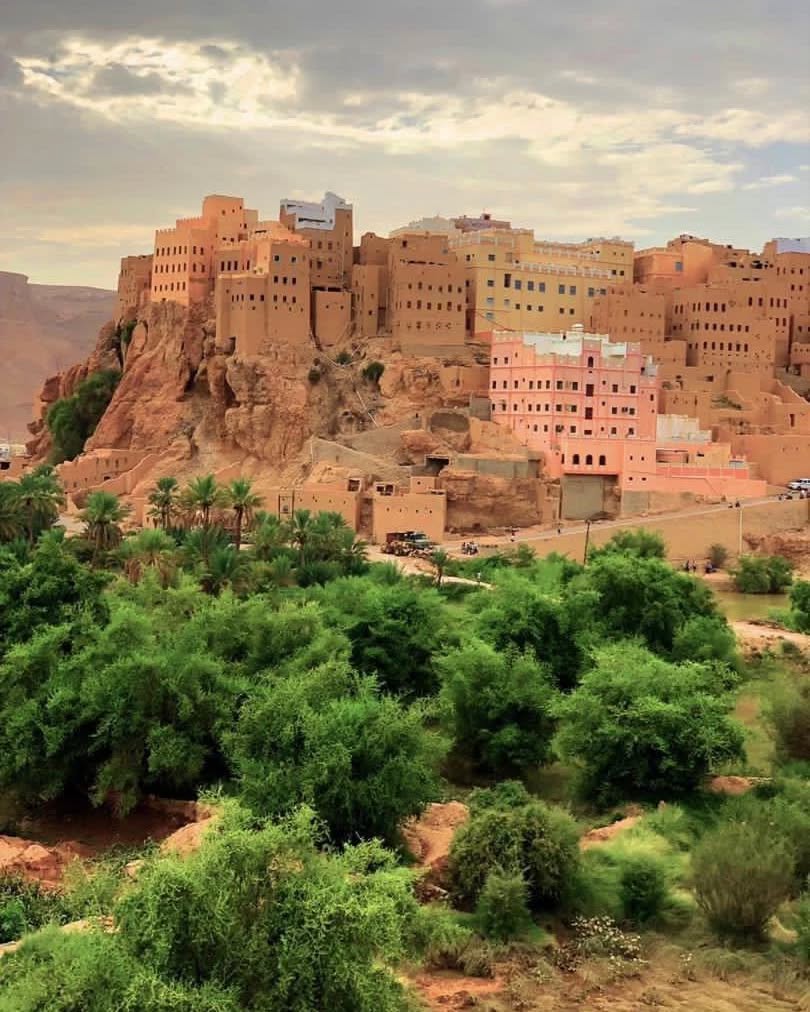
Hadramout is one of the most fascinating regions of Yemen, offering a remarkable combination of historical architecture, traditional settlements, and beautiful natural landscapes. Located in eastern Yemen, the region is known for its distinctive mud-brick buildings, ancient towns, and rich cultural heritage.
For travelers interested in history, architecture, and authentic cultural experiences, the best places to visit in Hadramout offer an opportunity to discover a unique side of Yemen. From the remarkable tower houses of Shibam to the dramatic landscapes of Wadi Do’an, each destination reveals a different aspect of the region’s history and traditions.
In this guide, we explore five remarkable Hadramout attractions that highlight the region’s architectural beauty, historical significance, and cultural identity.
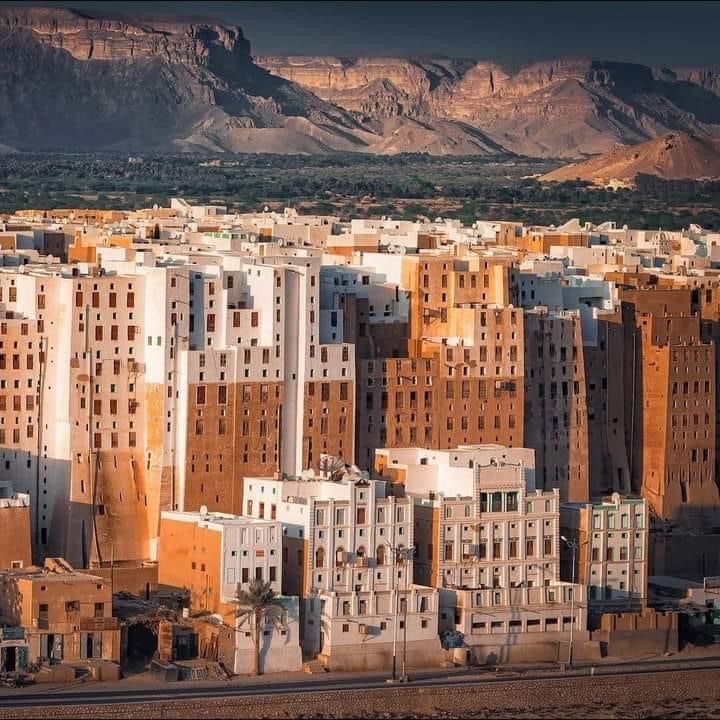
1. Shibam Hadramout – The Manhattan of the Desert
Shibam Hadramout is one of Yemen’s most recognizable historical cities and an outstanding example of traditional mud-brick architecture. Often called the “Manhattan of the Desert,” the city is famous for its closely packed tower houses, some of which rise up to seven stories above the surrounding landscape.
The historic buildings are constructed mainly from sun-dried mud bricks, demonstrating how local communities developed architectural techniques suited to the region’s environment. The city’s compact layout, defensive walls, and vertical construction make it an exceptional example of traditional urban planning.
Shibam also played an important role in regional trade, serving as a significant stop along historic caravan routes across southern Arabia. Its architectural and historical importance reflects the cultural and economic development of Hadramout over several centuries.
In 1982, the Old Walled City of Shibam was inscribed on the UNESCO World Heritage List. It was also added to the List of World Heritage in Danger in 2015 because of threats to its historic buildings and urban heritage.
For anyone interested in historical places in Hadramout, Shibam is an essential destination.
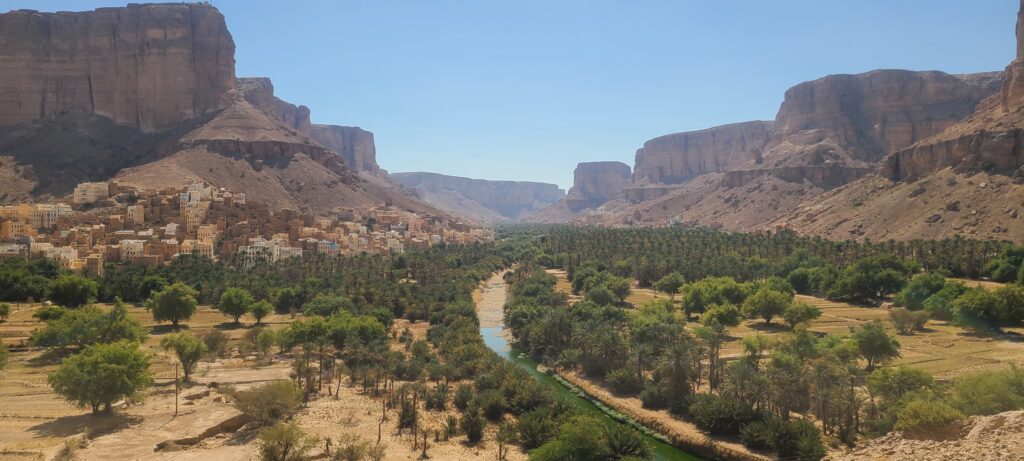
2. Wadi Do’an – A Valley of Traditional Villages and Natural Beauty
Wadi Do’an is one of the most distinctive natural and cultural landscapes in Hadramout. Known for its dramatic mountain scenery, traditional villages, and historic buildings, the valley offers a different experience from the region’s larger historic settlements.
One of the most striking features of Wadi Do’an is the way its villages blend into the surrounding mountains. Traditional mud-brick buildings appear across hillsides and elevated locations, creating a distinctive architectural landscape that reflects centuries of local craftsmanship.
The valley also demonstrates the traditional relationship between local communities, agriculture, and the natural environment. Its villages preserve elements of Hadrami architecture and cultural life that have developed over generations.
Among the most remarkable settlements in the area is Haid Al-Jazil, a village known for its mud-brick houses positioned on a rocky mountain overlooking the valley.
In June 2025, Haid Al-Jazil and Wadi Do’an were included in Yemen’s UNESCO Tentative List. The official nomination highlights the region’s traditional architecture, historic settlements, agricultural heritage, and cultural landscape.
The UNESCO description of Haid Al-Jazil and Wadi Do’an recognizes the area’s distinctive building traditions, including the use of mud, stone, palm trunks, and locally sourced wood.
Wadi Do’an is one of the most interesting places to visit in Hadramout for travelers who appreciate traditional architecture, mountain scenery, and cultural heritage.
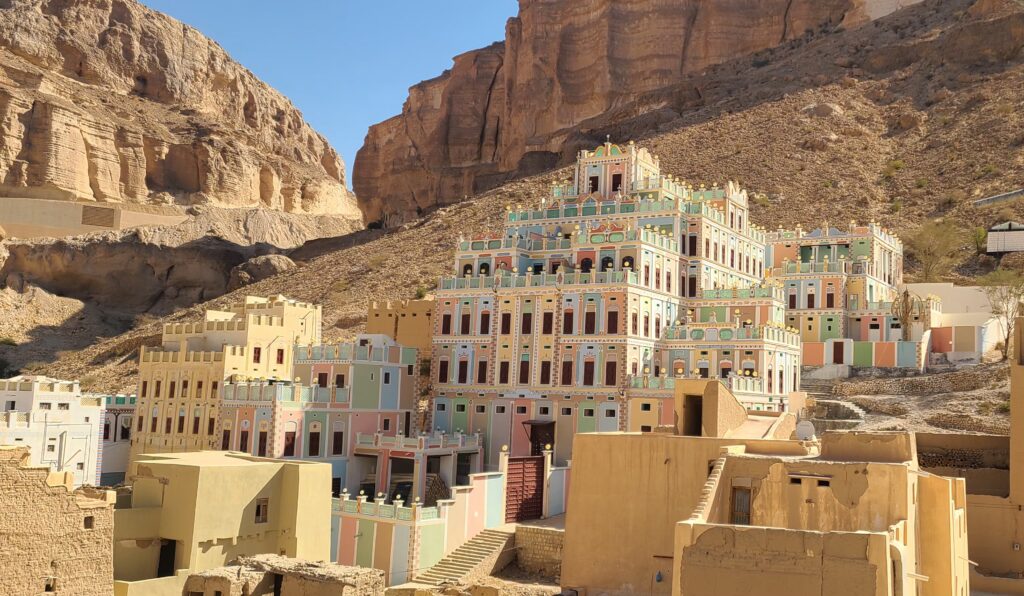
3. Buqshan Palace – A Distinctive Example of Hadrami Architecture
Buqshan Palace, located in the Khaylah area of Wadi Do’an, is one of the region’s most distinctive architectural landmarks.
The palace is particularly recognized for its colorful exterior, decorative details, and traditional mud-brick construction. Its appearance reflects the development of Hadrami residential architecture and the influence of commercial and cultural connections that linked the region with other parts of the world.
Built in the mid-1950s, the palace was associated with the prominent Buqshan family. Its architectural design combines traditional local building techniques with decorative features that give it a distinctive appearance among the historic buildings of Wadi Do’an.
After a period of limited use, the building underwent rehabilitation between 2003 and 2004. The restoration project helped preserve its architectural character while introducing new functions, including accommodation for visitors.
The architectural project is documented in ArchNet’s rehabilitation study of the Palace of the Buqshan Family.
Today, Buqshan Palace remains an important example of the architectural heritage of Hadramout and a recognizable landmark within the cultural landscape of Wadi Do’an.
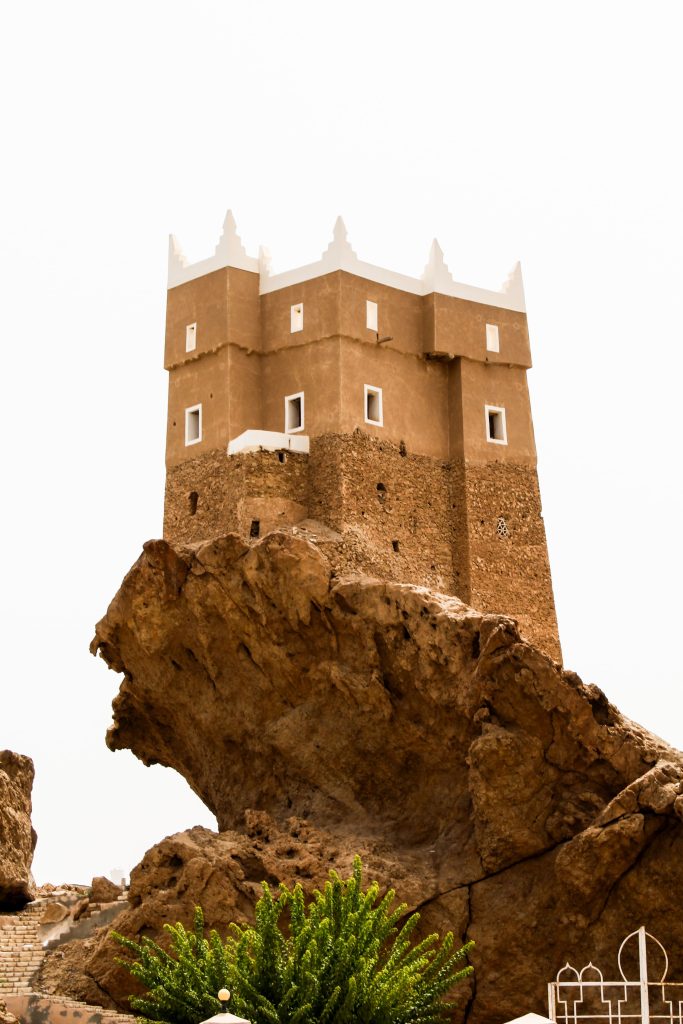
4. Al-Ghuwaizi Fort – A Historic Landmark in Al Mukalla
Al-Ghuwaizi Fort is one of the notable historical landmarks in Al Mukalla, the coastal capital of Hadramout. Built on an elevated rocky position near the northeastern entrance of the city, the fort occupies a location that historically provided a strategic view of the surrounding valley and roads.
The fort is associated with the defensive architecture of the region and reflects the historical importance of protecting the city’s entrances and monitoring movement along important routes.
Its traditional construction includes thick walls, multiple levels, and architectural features suited to its defensive purpose. The building also incorporates locally available materials and traditional construction techniques.
According to the Hadhramaut English Portal’s historical description of Al-Ghawizi Castle, the fort dates back to 1716 and was built during the period of the Al-Kasadi sultans.
The structure is approximately 20 meters high and consists of two floors, with traditional building materials used in its construction.
Today, Al-Ghuwaizi Fort remains an important part of Al Mukalla’s historical identity and is among the notable historical attractions in coastal Hadramout.
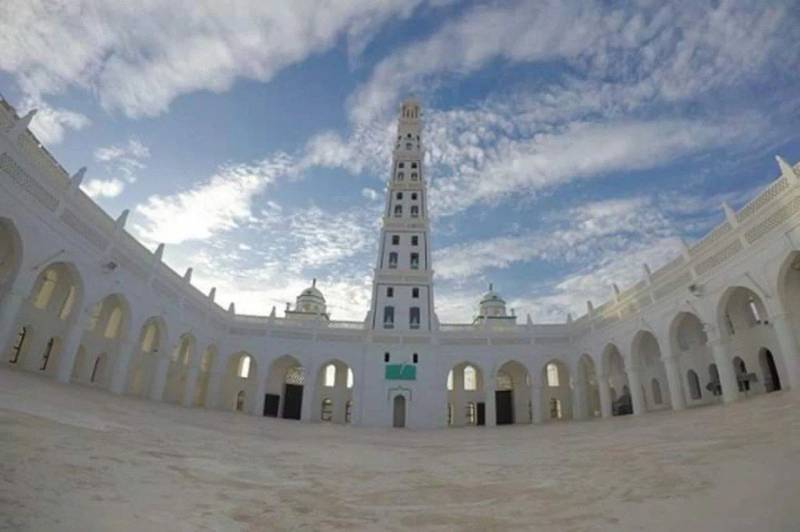
5. Al-Mihdhar Mosque – A Remarkable Example of Islamic Architecture
Al-Mihdhar Mosque is one of the most recognizable examples of traditional Islamic architecture in Hadramout. It is particularly famous for its tall mud-brick minaret, which stands out as an impressive achievement of traditional Yemeni construction.
The minaret is distinguished by its height, geometric design, and use of traditional building materials. Its construction demonstrates the skill of local craftsmen, who developed architectural techniques suited to the materials and environmental conditions of the region.
The mosque was built in 1914 and is associated with the traditional architectural heritage of the area. Its design reflects the relationship between religious life, local craftsmanship, and the architectural identity of Hadramout.
According to Columbia University’s architectural documentation of Al-Mihdhar Mosque, the building is constructed from adobe, a traditional earthen building material, and is attributed to the local architect Awad Salman ‘Afif al-Tarimi.
The mosque’s distinctive minaret has become one of the most recognizable features of traditional Yemeni mosque architecture.
For visitors interested in Islamic architecture and historical landmarks, Al-Mihdhar Mosque represents an important part of Hadramout’s cultural heritage.
Discover the Historical and Cultural Heritage of Hadramout
The best places to visit in Hadramout reveal the remarkable diversity of Yemen’s historical and cultural heritage. From the towering mud-brick buildings of Shibam to the traditional villages and mountain landscapes of Wadi Do’an, the region offers a fascinating combination of architecture, history, and natural beauty.
Buqshan Palace, Al-Ghuwaizi Fort, and Al-Mihdhar Mosque provide further insight into the architectural traditions and historical development of the region.
Together, these five destinations offer visitors an introduction to the distinctive identity of Hadramout and its rich cultural heritage. Exploring these landmarks provides an opportunity to appreciate the history, craftsmanship, and traditions that make this part of Yemen so remarkable.
What are the best places to visit in Hadramout?
Some of the most notable places include Shibam Hadramout, Wadi Do’an, Buqshan Palace, Al-Ghuwaizi Fort, and Al-Mihdhar Mosque. These destinations showcase the region’s historical architecture, cultural heritage, and natural landscapes.
Why is Shibam Hadramout called the Manhattan of the Desert?
Shibam is known by this nickname because of its tall, closely packed mud-brick tower houses, which create a skyline resembling that of a modern city. Its distinctive architecture has made it one of Yemen’s most famous historical destinations.
What is Wadi Do’an famous for?
Wadi Do’an is famous for its mountain scenery, traditional villages, historic buildings, and distinctive Hadrami architecture. The valley also has a long agricultural and cultural history.
Where is Buqshan Palace located?
Buqshan Palace is located in the Khaylah area of Wadi Do’an in Hadramout Governorate. It is known for its colorful exterior and distinctive traditional architecture.
What makes Al-Ghuwaizi Fort historically important?
Al-Ghuwaizi Fort is a historic defensive structure in Al Mukalla. Its elevated position and traditional construction reflect the historical importance of protecting the city’s entrances.
What is special about Al-Mihdhar Mosque?
Al-Mihdhar Mosque is particularly famous for its tall mud-brick minaret and distinctive traditional Islamic architectural design. It was built in 1914 and represents an important example of local craftsmanship.
Is Hadramout suitable for cultural and historical tourism?
Hadramout has a rich collection of historical, architectural, and cultural attractions. However, travel conditions, security requirements, and access arrangements can change, so visitors should verify the latest conditions before planning a trip.