Discovering the Splendor of Baqshan Palace
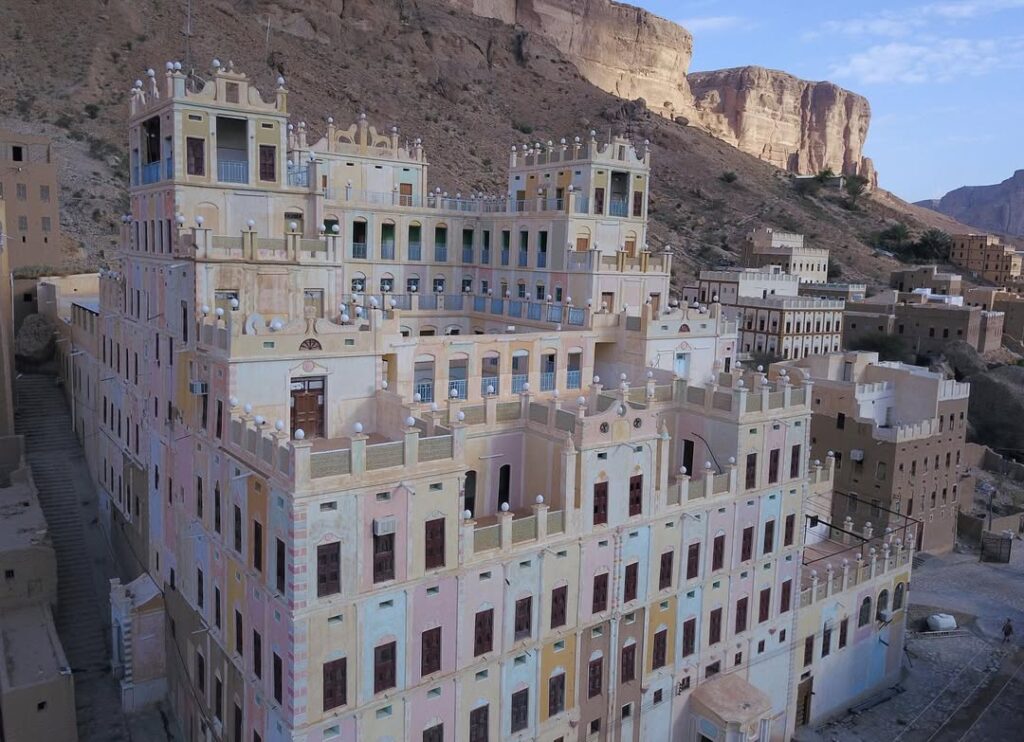
When exploring the rich cultural tapestry and architectural wonders of the Arabian Peninsula, few landmarks capture the imagination quite like Baqshan Palace. Nestled in the heart of Wadi Doan within the Hadhramaut Governorate of Yemen, this magnificent structure stands as a towering testament to traditional mud-brick engineering. For centuries, the valleys of Hadhramaut have been renowned for their distinctive vertical architecture, and this particular palace shines brightly as an emblem of historical prosperity, artistic elegance, and ingenious craftsmanship. Whether you are an avid historian, an architecture enthusiast, or a cultural traveler, understanding the legacy of Baqshan Palace offers a profound glimpse into a fascinating world where natural materials and human creativity merged to defy the harsh desert environment.
The Historical Origins and Background of Baqshan Palace
The history of Baqshan Palace is deeply intertwined with the socio-economic evolution of the region during the 20th century. Built by the prominent Baqshan family—a successful merchant lineage with deep roots in local commerce and international trade, particularly across East Asia—the palace served as both an administrative hub and a prestigious residential estate. Construction of the current grand structure began in the mid-1950s under the guidance of Ahmed Saeed Baqshan, taking several years to complete with meticulous attention to detail. During an era when many locals migrated or engaged in extensive trade networks, returning fortunes were channeled back into homeland infrastructure, establishing architectural monuments that reflected prestige, philanthropy, and communal pride.
Architectural Brilliance and Mud-Brick Mastery
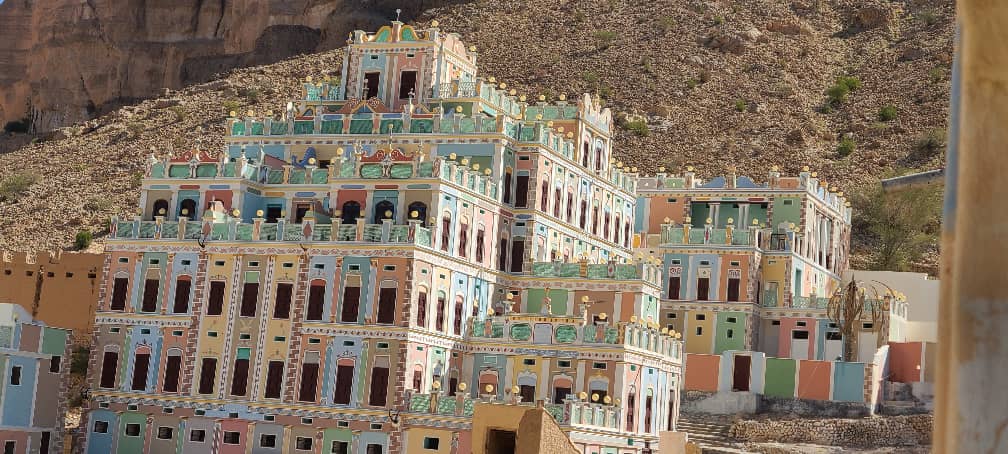
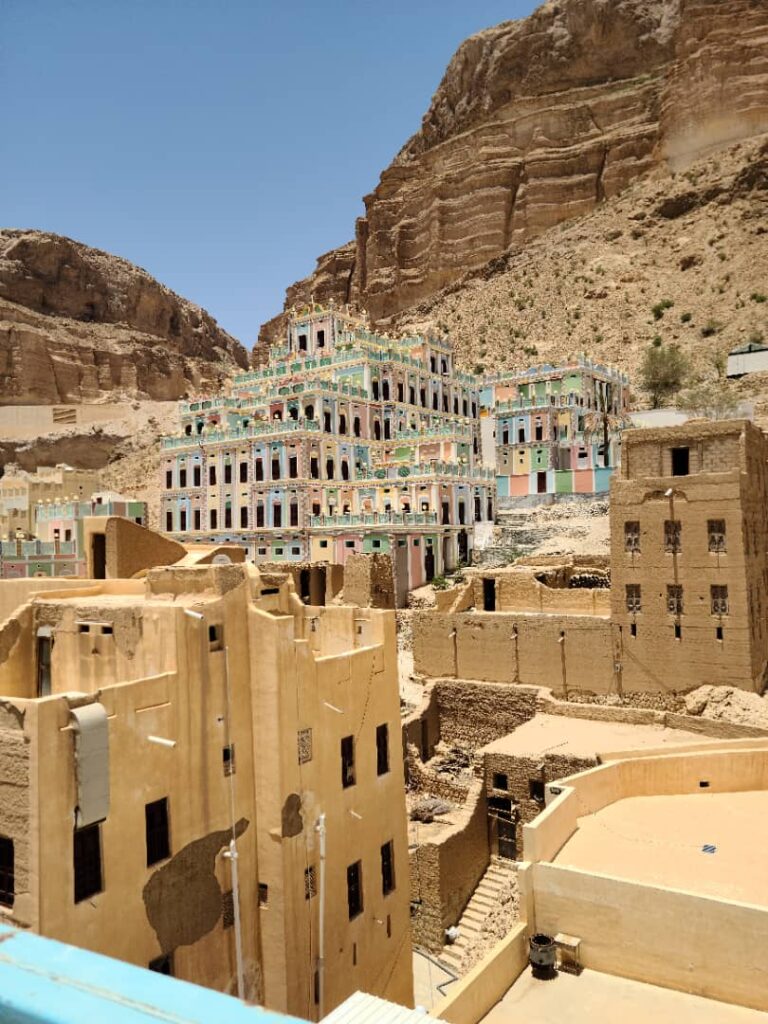
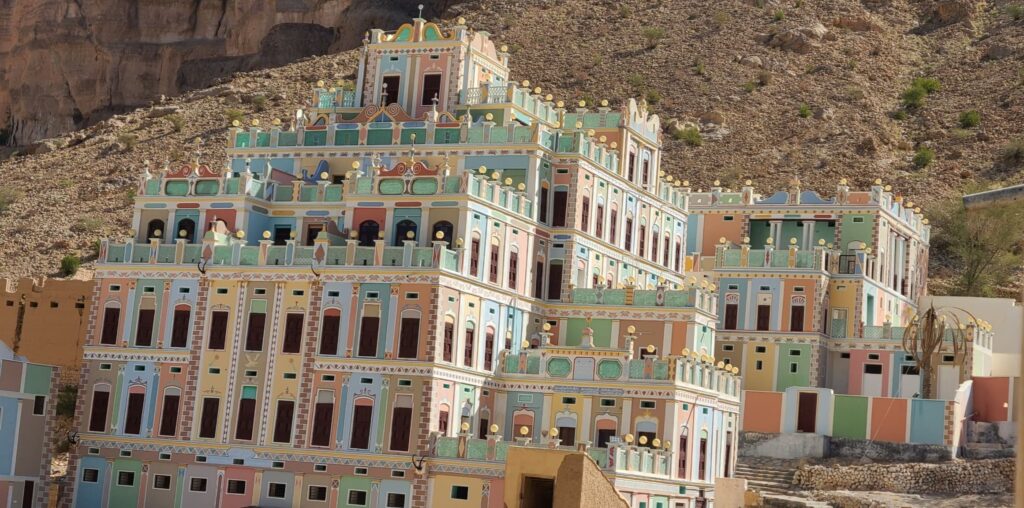
One of the most striking features of Baqshan Palace is its exceptional architectural style, which relies almost entirely on locally sourced mud, clay, straw, and gypsum. Yemeni builders demonstrated extraordinary structural intuition, erecting buildings that soar up to eight stories high without the use of modern steel reinforcement. The exterior walls are meticulously plastered and adorned with geometric patterns, while the upper levels feature vibrant pastel colors—predominantly blues, yellows, and whites—that contrast beautifully against the arid mountain backdrop and the surrounding green palm groves.
Inside, the layout is designed for both functionality and aesthetic grandeur. The palace features dozens of spacious rooms, intricate corridors, and specialized quarters reflecting traditional Hadrami living arrangements. Natural ventilation shafts and strategic window placements ensure that the interior remains cool even during scorching summer months, showcasing an early form of sustainable, eco-friendly architecture.
Intricate Design Elements: Woodwork and Symbolism
Walking through the halls of Baqshan Palace reveals a world of intricate craftsmanship. Every detail tells a story of local artistry:
- Handmade Wooden Doors: The palace houses nearly two hundred doors meticulously carved from local Sidr and Al-Alb wood by master carpenters, embellished with traditional iron studs and patterns.
- Traditional Windows: Over 190 windows line the facade, perfectly aligned with Hadrami design principles to maximize natural light and airflow while framing panoramic views of Wadi Doan.
- Symbolic Emblems: Unique decorative motifs grace the exterior, including crossed swords and palm trees above the main men’s entrance, symbolizing loyalty, patriotism, and the deep emotional connection of diaspora merchants to their homeland. Additionally, lion sculptures perched on the upper levels signify courage, prestige, and pride.
The Integration of Modern Restoration and Heritage Preservation
Preserving a mud-brick structure of this magnitude requires constant care, especially in the face of weathering and environmental changes. Between 2003 and 2005, extensive restoration initiatives breathed new life into Baqshan Palace. Specialized builders repaired damaged sections using traditional techniques blended with modern structural supports, such as reinforced concrete for stairwells and roofs, ensuring structural integrity while meticulously maintaining the historic color palette and aesthetic. Furthermore, a dedicated onsite museum was established to house vintage tools, historical photographs, and household artifacts, allowing visitors to step back in time and appreciate the daily lives of its former inhabitants.
Tourism and Cultural Significance in Modern Hadhramaut
Today, Baqshan Palace serves as a premier tourist landmark in southern Yemen, attracting international travelers, photographers, and researchers eager to witness authentic mud-brick architecture. Surrounded by picturesque villages like Khayla Baqshan, dramatic cliffs, and thriving honey-producing bee farms, the location offers an immersive cultural experience. Neighboring facilities, including modern reception rooms and development offices, have been built to welcome guests, ensuring that the legacy of hospitality established decades ago continues to thrive.
Conclusion
Ultimately, Baqshan Palace is far more than an impressive historic residence; it is a living monument to human ingenuity, cultural resilience, and artistic expression. By harmonizing sustainable natural materials with breathtaking aesthetic grandeur, it encapsulates the timeless spirit of Hadhramaut. Whether viewed from the winding paths of Wadi Doan or explored from within its intricately decorated halls, this architectural marvel continues to inspire awe and stands as an essential pillar of global architectural heritage that deserves careful preservation for generations to come.
Where is Baqshan Palace located?
Baqshan Palace is located in the village of Khayla Baqshan within the picturesque Wadi Doan in the Hadhramaut Governorate of Yemen.
When was Baqshan Palace built?
The modern structure of the palace was constructed starting in June 1956 by Ahmed Saeed Baqshan and took several years to complete.
What materials were used to build Baqshan Palace?
The palace is built almost entirely from local sustainable materials, primarily mud, clay, straw, stone, and gypsum, showcasing traditional Hadrami engineering.