Shibam Hadramout: Exploring the Manhattan of the Desert
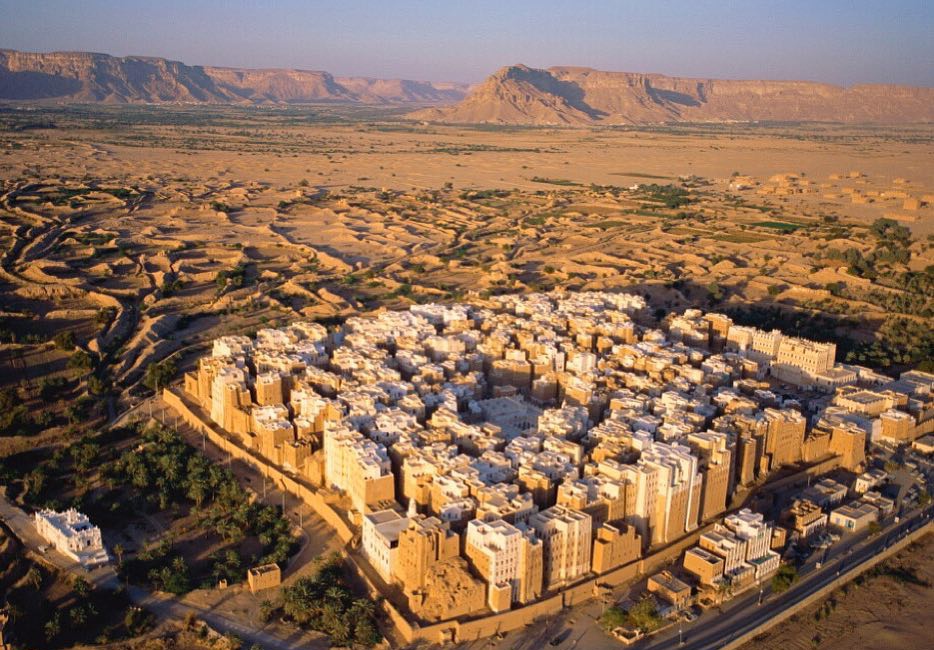
Rising majestically from the dusty floor of the Wadi Hadramout, Shibam Hadramout is a sight that defies modern architectural logic. Often referred to as the “Manhattan of the Desert,” this ancient walled city is home to the world’s oldest skyscraper structures. For centuries, these towering mud-brick buildings have stood as a testament to human ingenuity and the rich cultural tapestry of Yemen. Whether you are a history buff or an intrepid explorer, understanding the soul of this desert marvel is essential for any Shibam Hadramout travel guide.
The Architectural Marvel of Ancient Skyscrapers
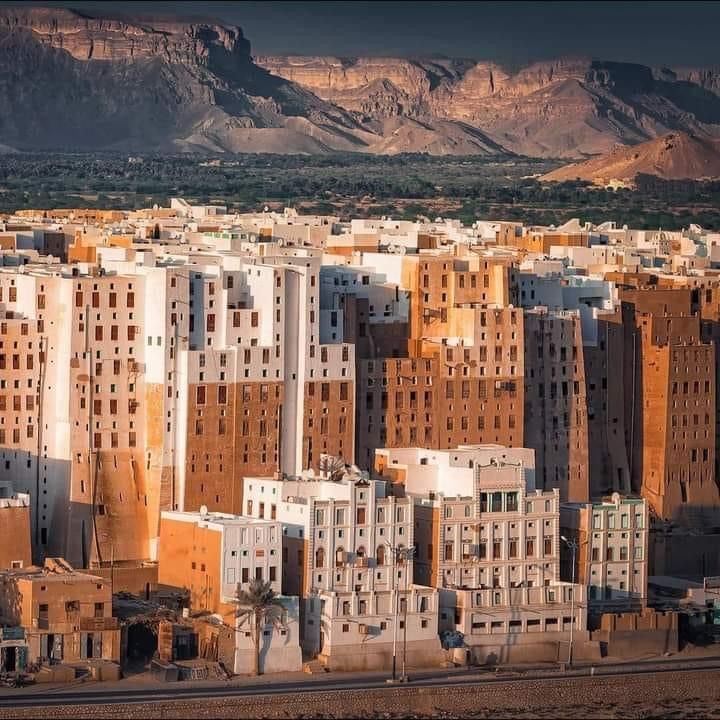
What makes this city truly unique is its verticality. Long before steel and glass dominated Western skylines, the residents of this region were perfecting the art of high-rise living. The ancient skyscrapers of Yemen in this city reach up to seven or eight stories high. Constructed entirely from sun-dried mud bricks, these buildings utilize a complex system of internal wooden supports and lime plastering (nura) to protect against the elements.
The layout of the city was born out of necessity. To protect the inhabitants from bedouin raids and seasonal floods, the city was built on a slightly elevated mound and surrounded by a fortified wall. This condensed urban planning meant the only way to expand was upward, creating the iconic skyline we see today.
A Living UNESCO World Heritage Site
In 1982, UNESCO recognized the site for its “outstanding universal value.” As one of the most significant UNESCO World Heritage sites in Yemen, the city represents a traditional human settlement that is both fragile and remarkably resilient. Each house usually belongs to a single family, with the lower floors used for grain storage or livestock, while the upper floors serve as private living quarters and ornate guest rooms.
Preserving the Mud-Brick Giants
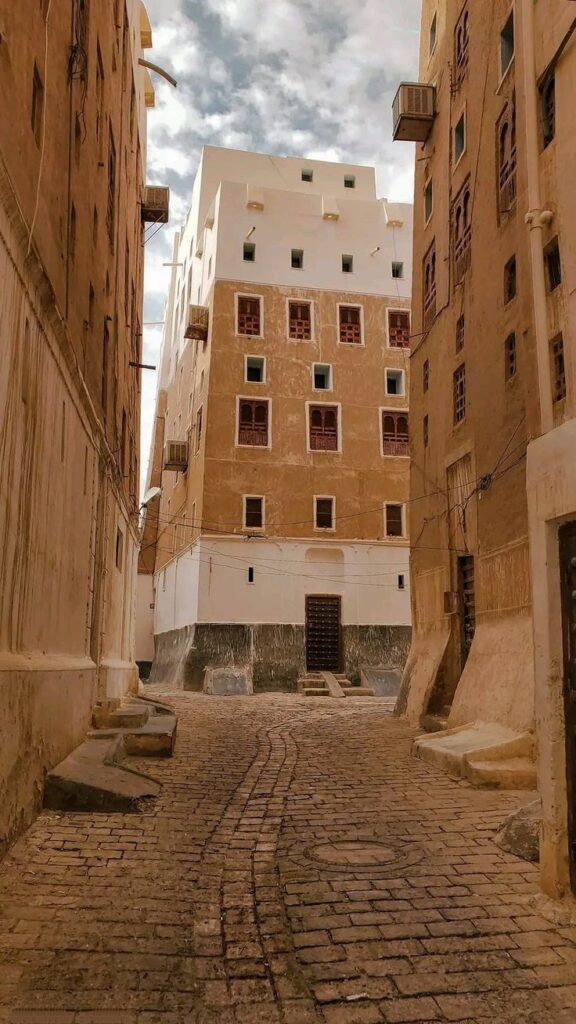
Maintaining these structures is a labor of love. Because they are made of organic materials, the exterior walls require constant recoating. Rain is the greatest enemy of mud-brick; without regular maintenance, the structures would slowly melt back into the earth. Local craftsmen still use traditional techniques passed down through generations to ensure the city remains standing for future centuries.
Visiting Shibam: What to Expect
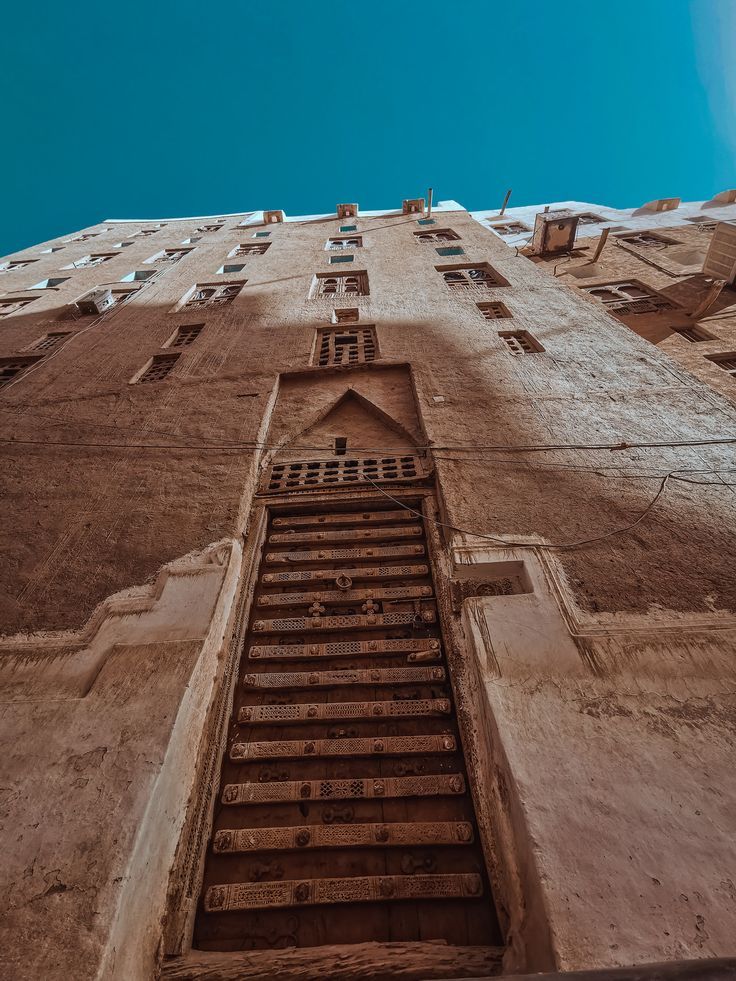
Walking through the narrow alleyways of the city feels like stepping back in time. You will notice the intricate wooden doors and windows, often carved with geometric patterns that allow for ventilation while maintaining privacy. The golden hour, just before sunset, is the best time to view the city from a distance. As the sun hits the mud facades, the entire city glows with a deep ochre hue, highlighting the contrast between the man-made towers and the surrounding natural desert landscape.
How old is the city of Shibam Hadramout?
The city was founded approximately 1,700 years ago, though most of the towers visible today date back to the 16th century following a major flood that destroyed many older structures.
Are people still living in these mud skyscrapers?
Yes, it is a living city. Several thousand residents still inhabit the traditional mud-brick towers, maintaining the same lifestyle and architectural traditions as their ancestors.
Why is it called the Manhattan of the Desert?
It earned this nickname because it is the earliest example of vertical urban planning in the world, featuring high-rise apartments packed closely together within a fortified wall.
Is it safe to visit Shibam Hadramout currently?
Travel safety in Yemen can fluctuate. It is vital to check current international travel advisories and coordinate with local professional guides who specialize in the Hadramout region before planning a trip.
How tall are the buildings in Shibam?
Most of the buildings reach heights of 25 to 30 meters (80 to 100 feet), which was an extraordinary engineering feat for the time of their construction using only mud and wood.