Shibam Hadramout: The Manhattan of the Desert and the World’s Oldest Skyscrapers
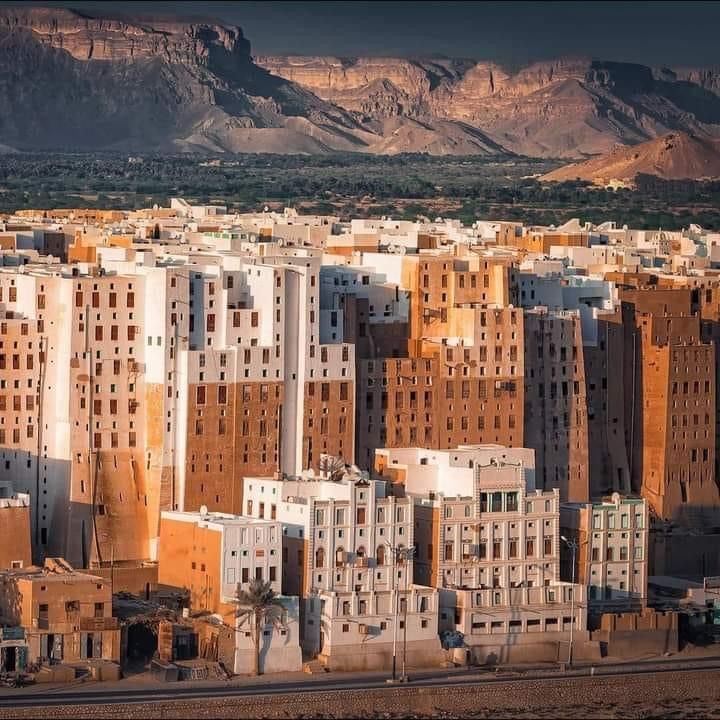
In the heart of Wadi Hadramout, Yemen, rises a city that defies the laws of time and logic.
Shibam Hadramout is not just an archaeological site; it is a living masterpiece of human
ingenuity. Often called the “Manhattan of the Desert,” this city serves as the world’s
earliest example of vertical urban planning.
A Legacy Carved in Mud
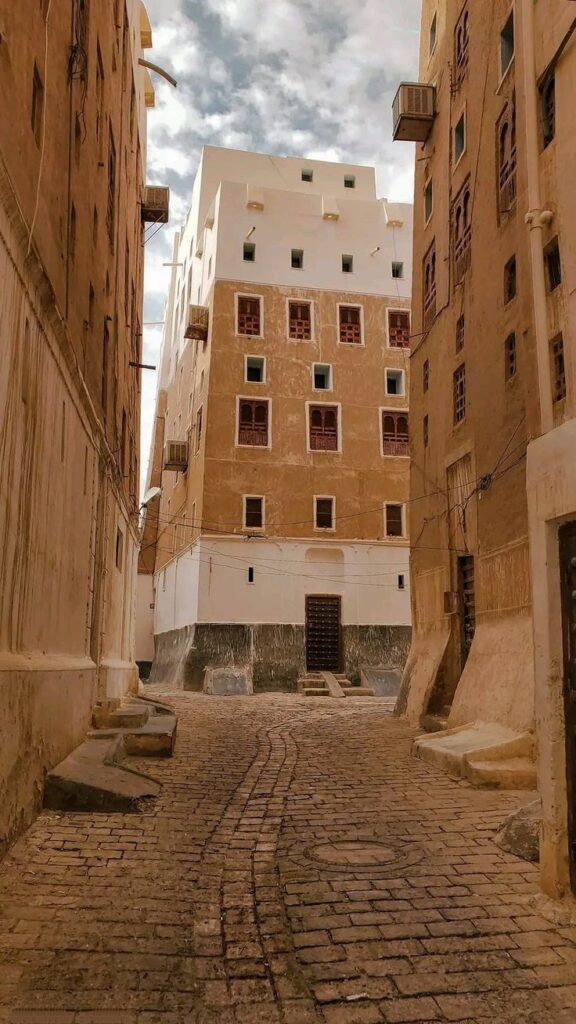
Shibam is home to the oldest skyscraper structures in the world, with some buildings dating
back to the 16th century. Recognized as a UNESCO World Heritage site since 1982, the
city is a dense cluster of approximately 500 high-rise towers, all constructed entirely from
sun-dried mud bricks (adobe).
Architectural Wonder: Engineering the Impossible
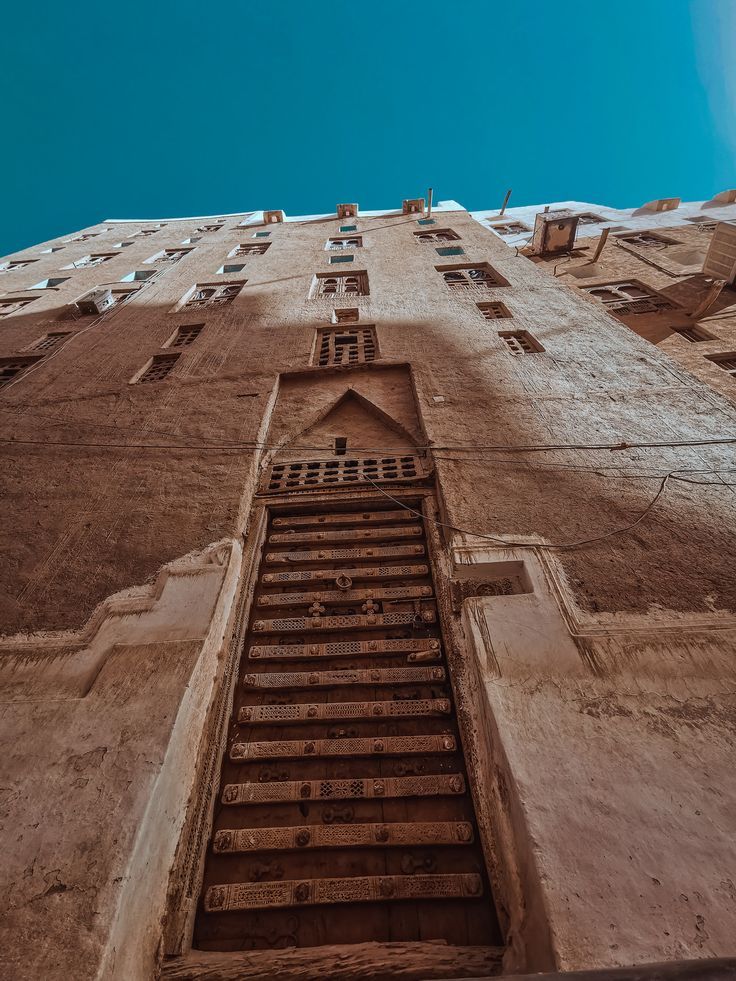
What makes Shibam truly extraordinary is its verticality. The buildings reach up to 30 meters (about 7 to 8 stories) high. These towers were designed for both protection and
functionality—narrow alleys provide shade during the scorching desert days, while the thick
mud walls offer natural thermal insulation, keeping the interiors cool.
Why Visit Shibam?
- Iconic Skyline: Witnessing the sun set behind these golden mud towers is a bucket-list
experience for any traveler or photographer. - Handcrafted Detail: Marvel at the intricate wooden doors and latticed windows
(Mashrabiya) that showcase ancient Yemeni craftsmanship. - Cultural Immersion: Experience a lifestyle that has remained largely unchanged for
centuries, where traditional hospitality meets breathtaking history
Why is Shibam called the “Manhattan of the Desert”?
The nickname was given by British explorer Freya Stark in the 1930s because of the city’s dramatic skyline of high-rise buildings, which resemble modern skyscrapers despite being made of mud.
How do mud buildings survive for hundreds of years?
The secret lies in constant maintenance. Residents apply a fresh coat of “Nura” (lime
plaster) to the roofs and facades to protect the mud from rain and erosion. The dry desert climate also helps preserve the structural integrity of the bricks.
Is Shibam still inhabited today?
Yes, Shibam is a living city. It remains populated by locals who continue to live in these ancestral high-rises, maintaining the traditions and social fabric of the region.
What is the significance of the city’s layout?
The city was built in a compact, fortified rectangle to protect its inhabitants from rival tribes and flash floods, while the height of the buildings allowed families to house many generations under one roof.