7 Yemen Tourism Treasures You Must Discover Today
When people think of breathtaking travel destinations, the Arabian Peninsula holds secrets that many have yet to uncover. Among the most spectacular are the Yemen tourism treasures, a collection of historical marvels and natural wonders that showcase a rich cultural heritage. From ancient skyscrapers made of mud to lush green reserves defying the desert stereotype, Yemen offers a unique journey for history buffs and nature lovers alike. Let’s dive into four of the most mesmerizing landmarks that define Yemen’s timeless beauty.
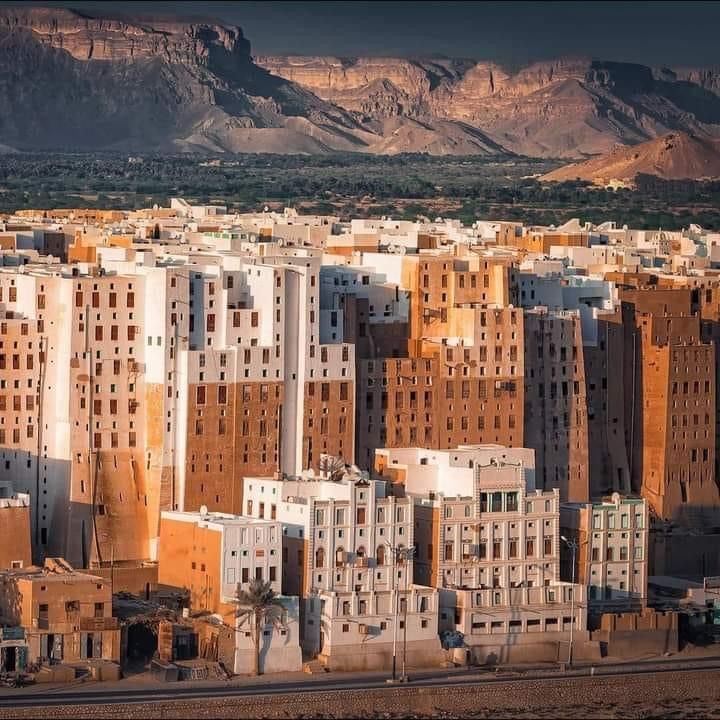
The Manhattan of the Desert: Shibam Hadramout
Rising dramatically from the floodplains of Wadi Hadramout is the ancient city of Shibam. Known globally as the “Manhattan of the Desert,” Shibam is famous for being one of the oldest and best examples of vertical urban planning. These 5-to-11-story mud-brick buildings date back centuries, proving that architectural innovation is deeply rooted in Yemeni history. Exploring these Shibam Hadramout hidden gems feels like stepping back in time, as the narrow alleyways and towering structures create an unforgettable labyrinth of clay and wood.
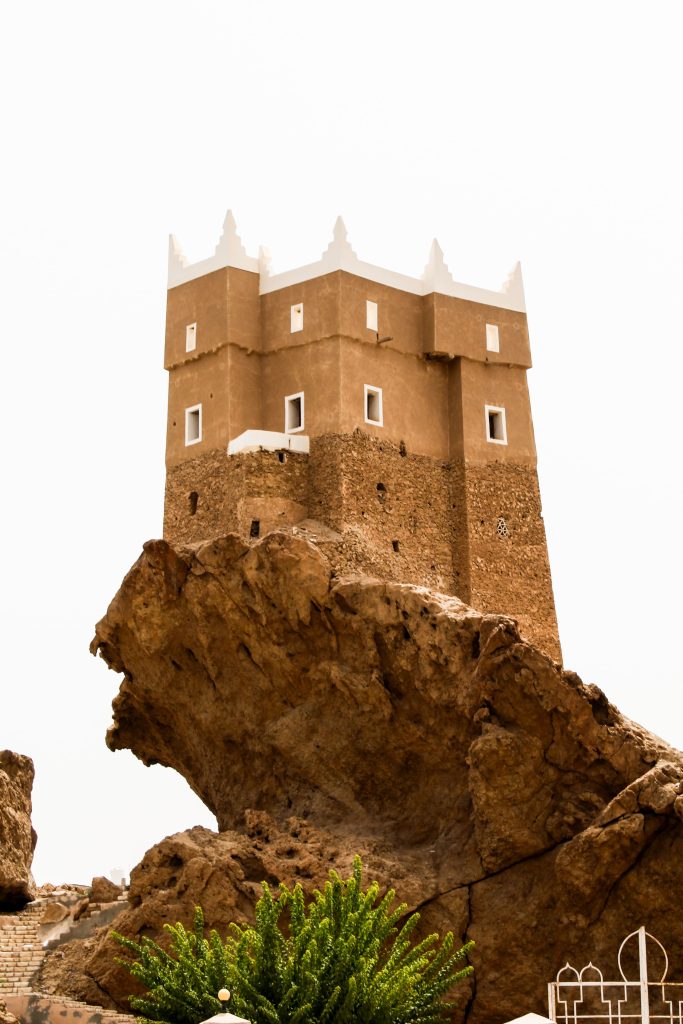
The Guardian of Mukalla: Al-Gwayzi Fort
Perched precariously on a massive rock cliff at the entrance of the coastal city of Mukalla sits Al-Gwayzi Fort. Built in the early 18th century, this architectural masterpiece served as a defensive stronghold against Portuguese and Ottoman threats. Diving into the Al-Gwayzi Fort history reveals how strategically it was designed, offering a 360-degree view of the surrounding sea and mountains. Today, it stands as a proud symbol of Hadramout’s resilience and a favorite spot for photographers capturing the sunset.
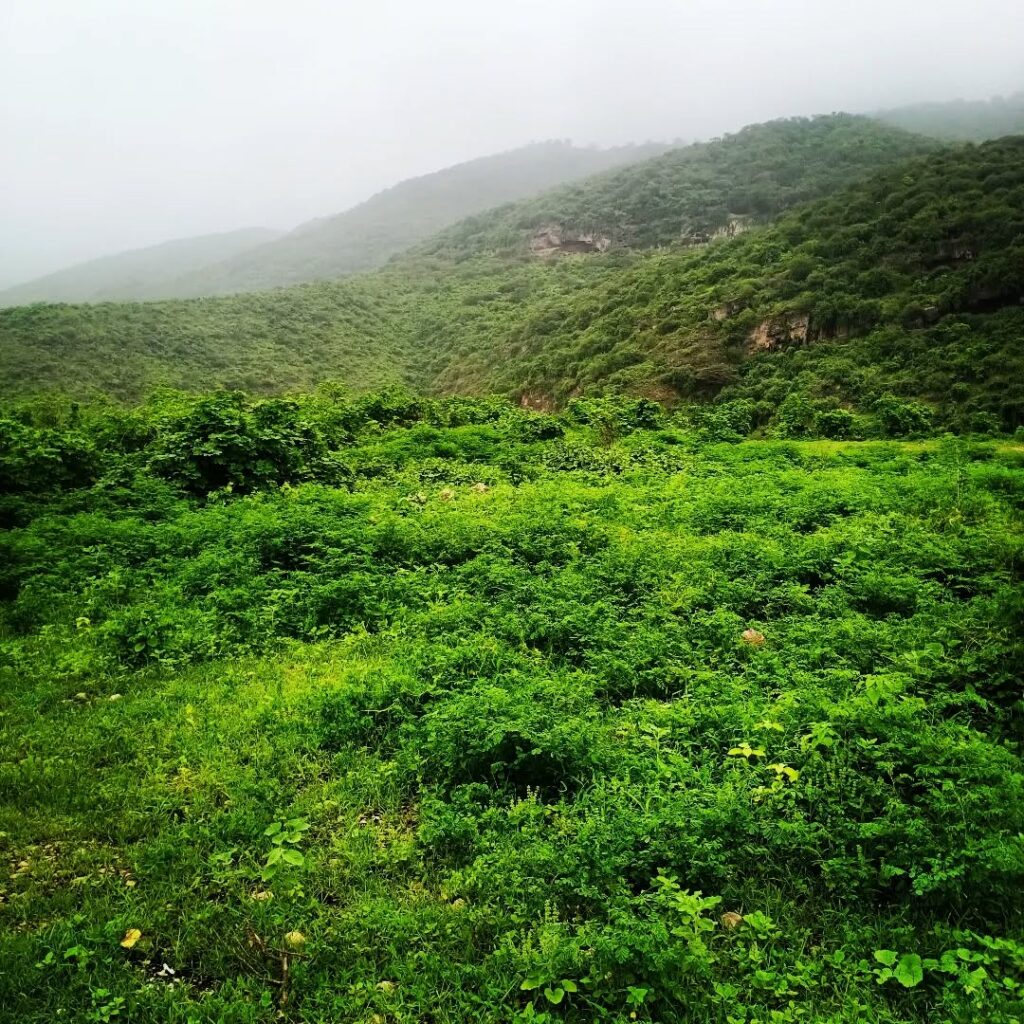
An Oasis in the Sands: Hawf Nature Reserve
If you think Yemen is only about deserts and historical buildings, think again. Located in the Al-Mahrah Governorate, the Hawf Nature Reserve is a lush, green paradise that comes alive during the autumn monsoon season (Khareef). This Hawf Nature Reserve travel guide wouldn’t be complete without mentioning its incredible biodiversity, featuring rare plants, leopards, and mist-covered mountains. It is a stunning contrast to the arid landscapes nearby and a testament to the diverse ecological Yemen tourism treasures waiting to be explored.
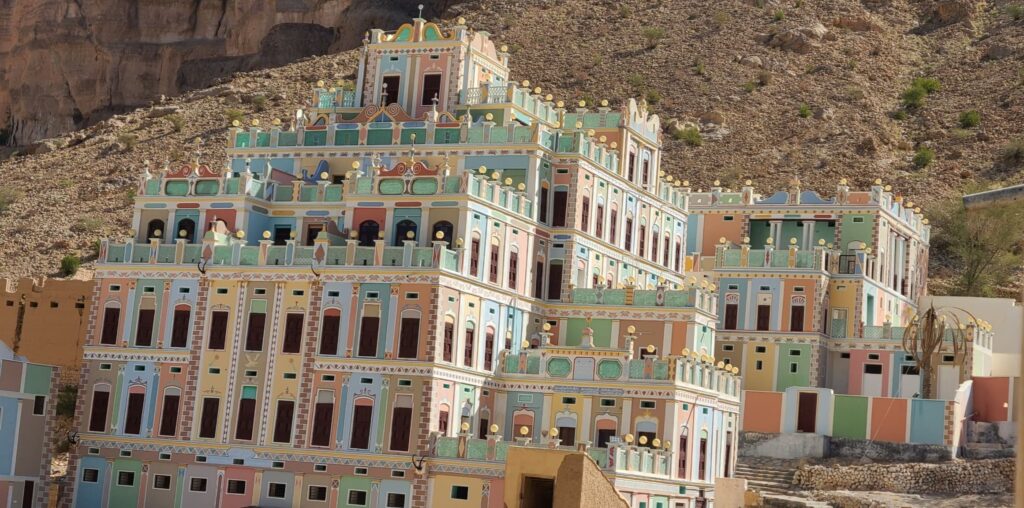
A Colorful Masterpiece: Boqshan Palace
Located in the Khailah village of Wadi Doan, the Boqshan Palace is a vibrant celebration of Yemeni artistry. Unlike the traditional brown mud structures, this palace features a brilliantly colored facade painted in pastel hues of blue, yellow, and green. Originally built as a grand residence, it has been beautifully restored to welcome visitors, standing out as a bright jewel amidst the canyon cliffs. It perfectly encapsulates the artistic spirit that makes Yemen tourism treasures so incredibly unique.
Yemen’s architectural and natural wonders are unparalleled. Whether it is the towering heights of Shibam, the strategic beauty of Al-Gwayzi, the green canopy of Hawf, or the vibrant walls of Boqshan Palace, these sites deserve a spot on every traveler’s bucket list. Protecting and celebrating these historical landmarks ensures that future generations can experience the true magic of Yemen.
What makes Shibam Hadramout unique?
Shibam is unique because it is the world’s oldest skyscraper city. Its high-rise buildings are made entirely of sun-dried mud bricks, earning it the title “The Manhattan of the Desert” and a UNESCO World Heritage designation.
Where is Al-Gwayzi Fort located?
Al-Gwayzi Fort is located in the coastal city of Mukalla, the capital of the Hadramout Governorate in Yemen. It is built on a detached rock at the northeastern entrance of the city.
When is the best time to visit Hawf Nature Reserve?
The best time to visit Hawf Nature Reserve is during the monsoon season (Khareef), which lasts from July to September. During this time, the area turns into a lush green paradise covered in fog and rain.
What is special about Boqshan Palace?
Boqshan Palace stands out because of its vibrant, multi-colored exterior. Located in Wadi Doan, its pastel-painted walls offer a beautiful contrast to the traditional, single-toned mud architecture of the region.