Hawf Nature Reserve in Yemen: A Unique Biodiversity Paradise
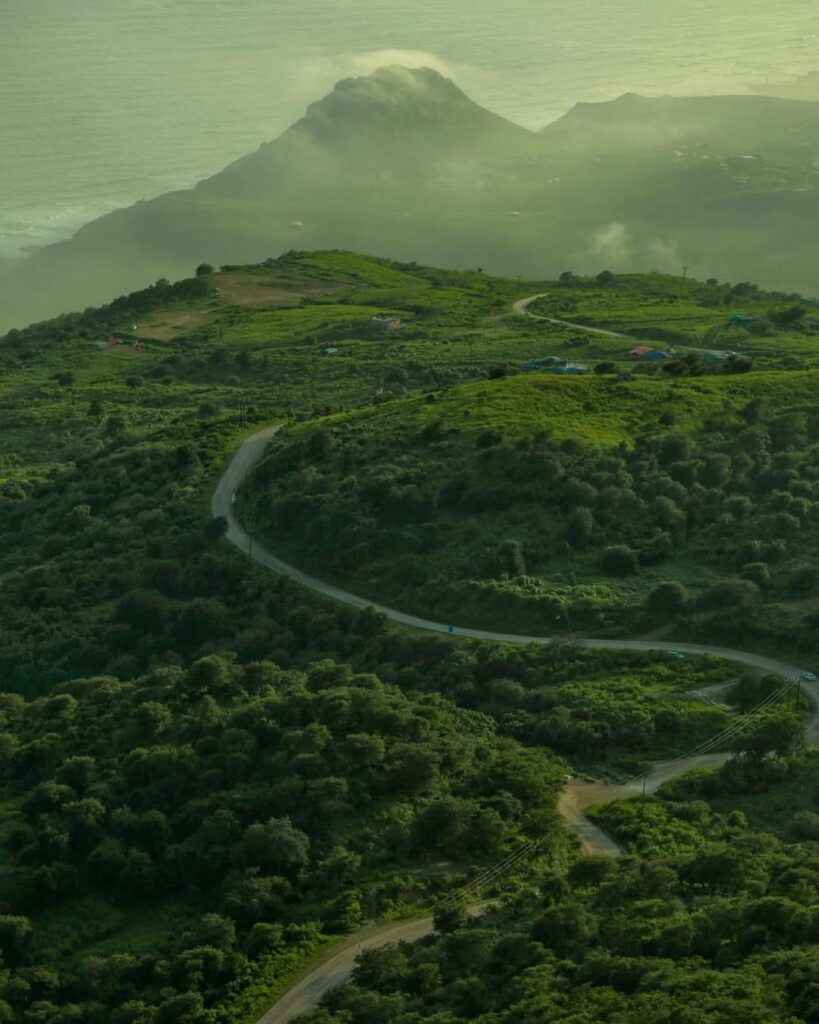
The Hawf Nature Reserve is one of the most important natural reserves in Yemen and the Arabian Peninsula, located in the Al Mahrah Governorate in eastern Yemen and extending into parts of Oman. The reserve covers approximately 30,000 hectares and features mountainous terrain reaching up to 1,400 meters above sea level.
Climate and Environment
The reserve is famous for its unique foggy climate, with fog covering large areas from mid-July to mid-September. Seasonal rainfall ranges between 300 and 700 mm annually, creating a green oasis in an otherwise arid climate. Temperatures vary from mild and humid during the fog season to dry and hot during the rest of the year.
Biodiversity and Flora
Hawf hosts around 250 plant species, including the rare frankincense tree. The reserve is home to mammals such as the Arabian leopard, mountain gazelles, wolves, and foxes. Additionally, about 65 bird species have been documented, some of which are rare and unique, making the reserve a key biodiversity hotspot in the region.
Environmental and Cultural Importance
Declared a nature reserve officially in 2005, Hawf is recognized for its foggy ecosystem and rich biodiversity. The area also has cultural significance, as local tribal communities depend on traditional grazing and farming practices.
Challenges Facing the Reserve
Despite its importance, the reserve faces challenges such as overhunting, increasing livestock, land clearance, and limited infrastructure, which complicates management and threatens the unique ecosystems.
Eco-Tourism Opportunities
Hawf Nature Reserve is an ideal eco-tourism destination, especially during the fog and autumn seasons, when the landscape transforms into a spectacular green paradise. Visitors can enjoy lush scenery and frankincense forests, making it one of the most beautiful natural areas in Yemen.
Hawf Nature Reserve is a unique example of biodiversity and natural heritage in Yemen, highlighting the importance of protecting both natural and cultural treasures.